Low tide has a way of making the coast feel bigger. Rocks appear. Tide pools open. Sandbars connect. A beach that felt pinched at breakfast suddenly has room for kids, towels, a long walk, or a look into the small worlds living between the barnacles.
That is the good part. The part worth respecting is that the same tide that opened the beach will close it again. The trick is to treat low tide as a window, not a permission slip.
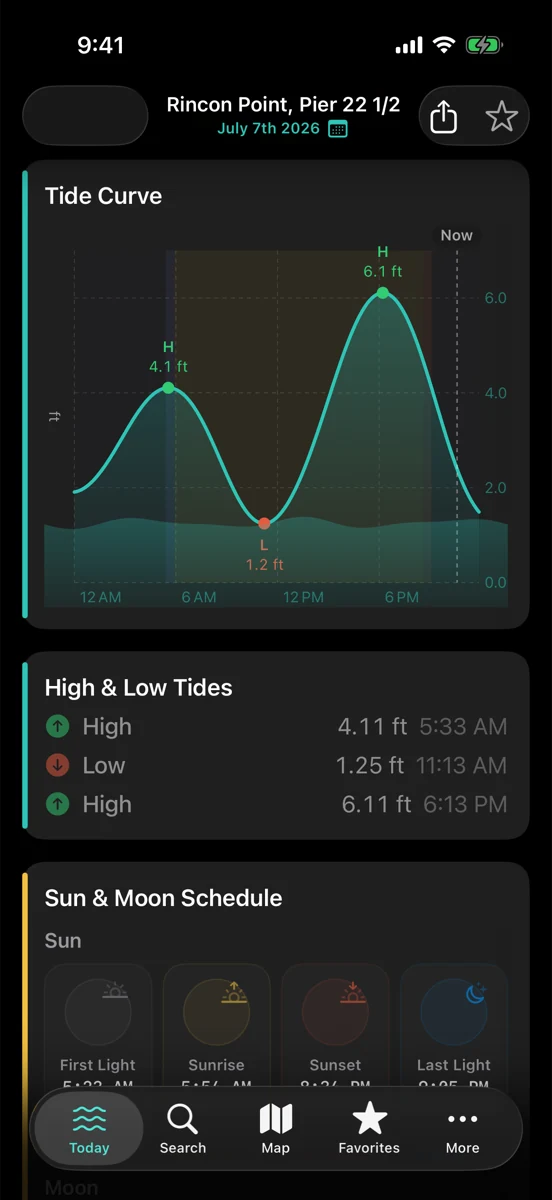
Start with “how low,” not just “what time”
The printed low-tide time is the predicted bottom of the curve at a NOAA station. It does not tell you, by itself, whether there will be enough beach where you are standing. A low at 0.3 feet and a low at -1.2 feet can feel like different places. So can the same height at two different beaches.
For tide pools and long beach walks, look at the predicted height and the shape of the curve. A steep drop means the window changes quickly. A flatter curve gives you more shoulder time around low. If you are walking around points, rocks, or coves, the return trip matters more than the photo stop.
Give yourself the return walk first
Most low-tide mistakes are timing mistakes. People walk out while the water is falling, enjoy the new beach, then discover that the flood tide is faster than their snack break. The safer habit is simple: before you walk around a point or out onto a bar, look at the next hour or two, not just the current minute.
Ask: will the water still be low enough for the return? Is the path wide sand, slippery rock, or a narrow cut below a cliff? Is surf running up the beach even though the predicted tide is low? If the answer is fuzzy, shorten the walk. There will be another low.
Tide pools need a gentle-read day
Great tide-pool timing usually means a low or negative tide, light enough surf, and a place where access is allowed. The table can get you to the window. The ocean still gets a vote. Long-period swell can push water higher over rocks than the calm-looking tide number suggests, and one surprise set can wash across a ledge that looked dry a minute ago.
Keep your feet on durable surfaces, avoid prying or collecting, and give animals space. If a pool looks alive, that is the point. A good tide-pool day ends with everything still there for the next person.
Sandbars and crossings are not shortcuts
Sandbars are tempting because they make the coast look connected. They can also focus current, hide soft spots, and disappear from both sides as the tide turns. For families, dogs, anglers, and photographers, the rule is the same: if the path depends on exposed sand staying exposed, plan the exit before the entrance.
RipCat can show the predicted tide curve and nearby station context, but it cannot see your exact crossing, wave run-up, river flow, or the shape of today's sand. Treat any crossing as a local conditions call, not a tide-app decision.
Read around the tide
Tides are the baseline. Wind, swell, pressure, and local geography change how that baseline feels at the beach. A low tide with small surf can mean easy walking. A low tide with larger swell can mean exposed rocks plus more moving water. A beach backed by cliffs gives you fewer exit options than a wide open stretch.
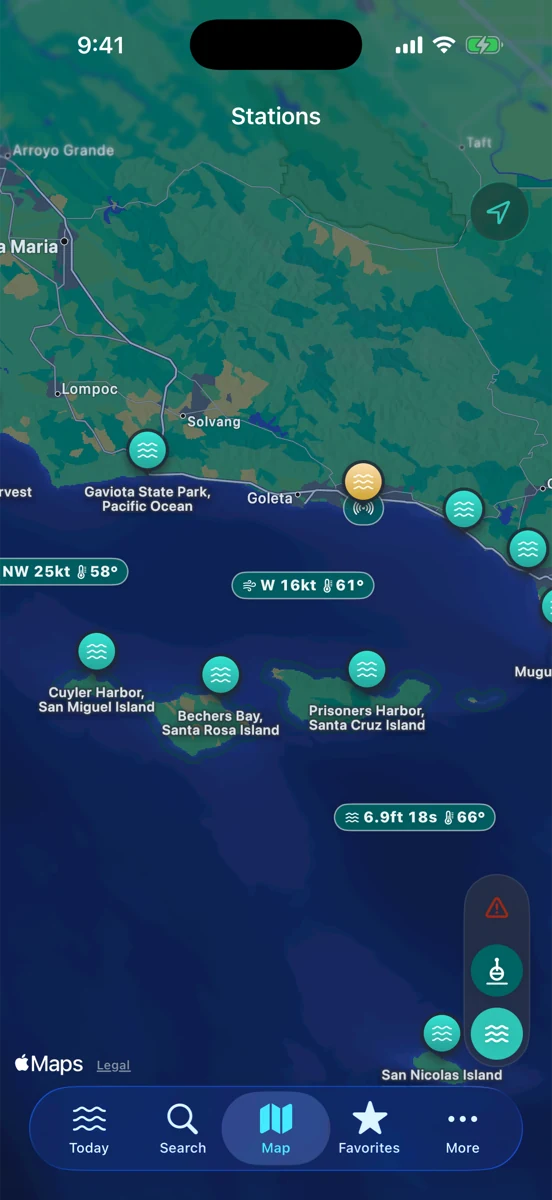
For a quick pre-check, pair the tide curve with the National Weather Service marine forecast and nearby buoy observations. Wind and swell direction help explain whether the beach may be calm, textured, or surgy. If marine advisories are up, slow the plan down and read the official details.
How RipCat helps
RipCat puts NOAA tide predictions, NWS marine advisories, and buoy context in one Apple-native app for U.S. coastal waters. Use it to see the curve, the next high and low, the broader marine picture, and your favorite spots without digging through three pages at the parking lot.
If you are planning by use case, start with the surf view, the fishing view, or the boating view. Station-specific tide pages are still in pilot review, so this post links to the segment guides for now.
Check the window before the beach changes shape.
RipCat gives you the tide curve, nearby marine context, and a calm place to plan. U.S. coverage only. Predictions and forecasts are planning aids, not navigation advice.
Get RipCat free on the App Store